
音声分離ツール
AIで瞬時にあらゆるオーディオから背景ノイズを除去します。
違いを聴いてみてください
AIがどのように音声を背景ノイズから分離するかをご覧ください
[Example]Cafe background noise
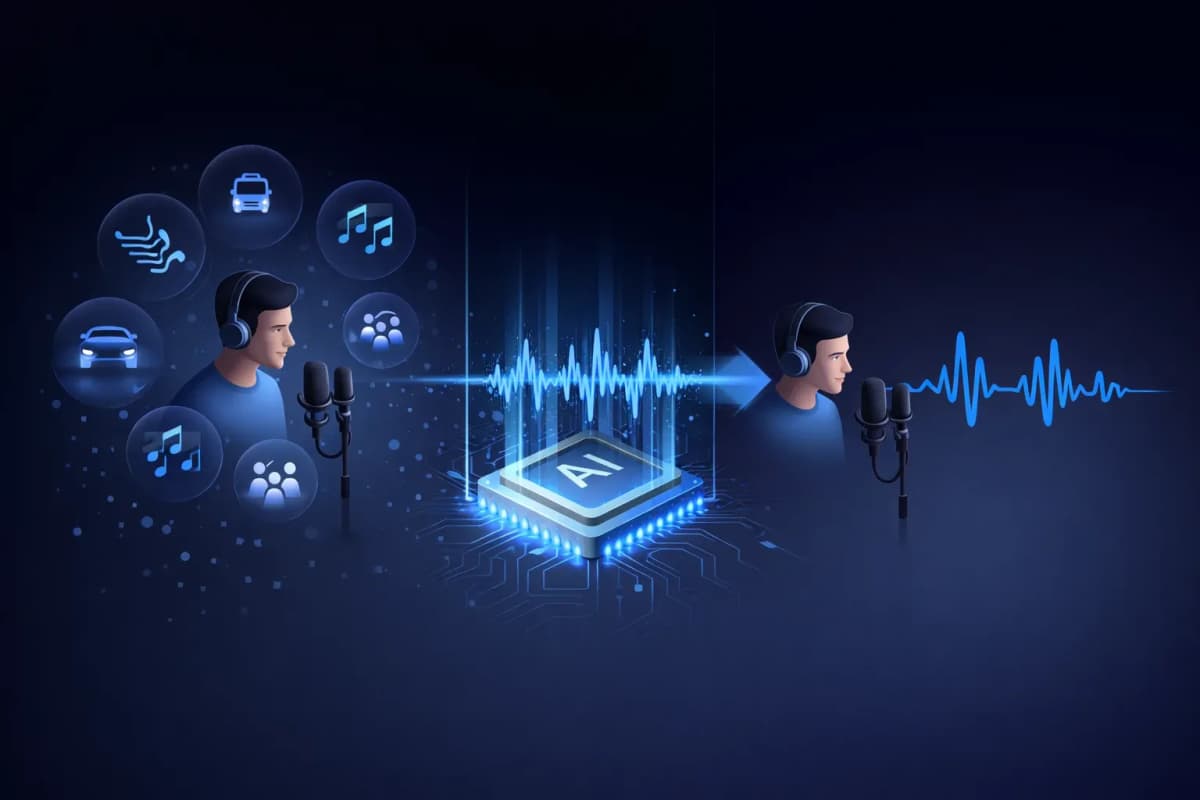
音声分離ツールとは?
音声分離ツールとは、オーディオ録音から人間の音声と背景ノイズを分離するAI搭載ツールです。単にボリュームレベルを下げる従来のノイズフィルターとは異なり、当社のAI音声分離ツールはディープラーニングニューラルネットワークを使用して、音楽、交通騒音、風、環境ノイズなどの不要な音を除去しながら、音声パターンを識別・抽出します。その結果、プロフェッショナルな環境で録音されたかのようなクリーンでスタジオ品質の音声オーディオが得られます。
AI音声分離ツールの主な機能
AI搭載の音声分離
数百万のオーディオサンプルでトレーニングされたディープラーニングニューラルネットワークにより、あらゆる背景ノイズから音声を正確に分離します。
マルチフォーマット対応
MP3、WAV、OGG、AAC、またはFLACオーディオファイルをアップロード。主要なオーディオ形式すべてに対応しています。
超高速処理
分離された音声オーディオを20〜40秒で取得。長い処理時間を待つ必要はありません。
スタジオ品質の出力
ノイズを除去しながら自然な音声特性を保持。プロフェッショナルスタジオで録音されたような出力が得られます。
TTS&クローニングと統合
ユニークなワークフロー: 音声を分離し、それをクローンするか新しい音声を生成。すべてを一つのプラットフォームで — AnySpeechだけ。
プライバシー重視
お客様のオーディオファイルは7日後に自動的に削除されます。データを共有したり、トレーニングに使用することはありません。

音声分離ツールの使い方
ファイルをアップロード
ドラッグ&ドロップまたはクリックしてオーディオファイルをアップロード。MP3、WAV、OGG、AAC、FLACに対応。
AIがオーディオを処理
AI音声分離ツールがオーディオを分析し、自動的に音声と背景ノイズを分離します。
プレビュー&比較
オリジナルと分離されたオーディオを並べて聴き比べ。違いを瞬時に確認できます。
クリーンなオーディオをダウンロード
分離された音声を高品質オーディオ形式でダウンロード。あらゆるプロジェクトにすぐに使用できます。
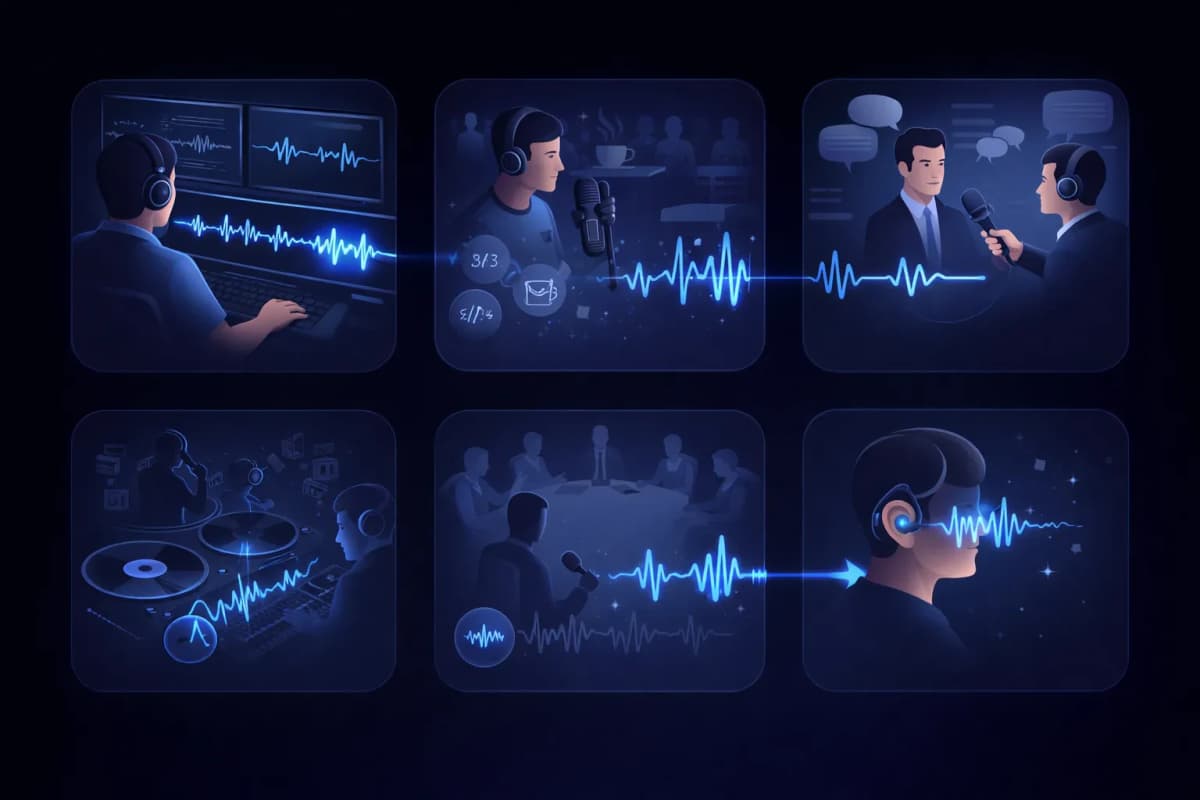
音声分離ツールの活用事例
動画のポストプロダクション
動画録画から背景ノイズを除去してダイアログトラックをクリーンアップ。
ポッドキャスト編集
ポッドキャスト録音からカフェの騒音、交通音、その他の不要なオーディオを除去。
インタビューの文字起こし
より正確な音声認識結果を得るために話者の音声を分離。
ボーカル抽出
音楽トラックからボーカルを抽出し、リミックス、カラオケ、アカペラバージョンを作成。
会議・講義の録音
室内ノイズから話者の音声を分離して会議録音をクリーンアップ。
アクセシビリティ
複雑なオーディオ環境から音声を分離し、聴覚障害のあるユーザーを支援。
AnySpeechの音声分離ツールを選ぶ理由
- スタジオ品質のAI音声分離
- すべての主要オーディオ形式に対応
- テキスト読み上げと統合
- 音声クローニングと統合
- すべてのオーディオニーズに一つのプラットフォーム
- 手頃なクレジットベースの料金体系
HOW IT WORKS
How Does AI Noise Removal Work?
An AI voice isolator separates speech from noise by reading the audio's frequency map: it recognizes the patterns human voices make, keeps them, and rebuilds the track with everything else removed.
Speech and noise leave different fingerprints
On a spectrogram, a human voice draws distinctive shapes — harmonics, formants, the rhythm of syllables. Air-conditioning hum, traffic, and café chatter each look very different. The model has learned both, so it can tell them apart even when they overlap.
Reconstruction, not filtering
Classic noise filters cut whole frequency ranges, which dulls the voice along with the noise. AI isolation instead predicts what the clean voice should sound like and rebuilds it, preserving brightness and detail that filters would destroy.
Why the result sounds studio-recorded
Because the voice is rebuilt rather than carved out, the output keeps natural sibilance and presence without the noise floor. A phone recording from a kitchen can come out sounding like a booth take.

WHICH TOOL?
Voice Isolator vs Vocal Remover: Which Do You Need?
The two tools sound similar but solve opposite problems. The quick rule: spoken recording with unwanted noise — Voice Isolator. A song you want split into parts — Vocal Remover.
Voice Isolator — for spoken recordings
Use it when the voice is the content and everything else is pollution: podcast takes, interviews, lectures, voice memos. You get one clean speech track back.
Vocal Remover — for songs
Use it when you're working with music and want the parts, not a cleanup: it splits a finished song into an acapella and an instrumental, and keeps both.
At a glance
| Question | Voice Isolator | Vocal Remover |
|---|---|---|
| What goes in | Spoken audio with noise | A finished song |
| What comes out | One clean voice track | Vocals + instrumental stems |
| What gets removed | Noise, hum, chatter | Nothing — everything is kept, separated |
| Typical user | Podcasters, students, journalists | Singers, DJs, karaoke fans |
Working with a song instead? Head to the vocal remover.
NOISE GUIDE
Which Noises Clean Up Best?
Not all noise is equally removable. Here's an honest map of what to expect before you upload.
Excellent results
- Air conditioning, fans, and electrical hum
- Computer and microphone hiss
- Rain and steady wind rumble
Steady, predictable noise is the easiest to model — it disappears almost completely.
Good results
- Café chatter and crowd murmur
- Traffic and street ambience
- Keyboard clicks and desk thumps
Intermittent noise usually cleans up well, though a loud burst directly over a word can leave a trace.
Know the limits
- Heavy reverb baked into the room sound
- Another voice speaking over yours
- Clipped or distorted source audio
These overlap with the voice itself, so expect improvement rather than perfection — re-record if you can.
WORKFLOW
Where Isolation Fits in Your Audio Pipeline
Clean speech isn't just nicer to hear — it makes every downstream AI tool measurably better.
Before transcription
A clean track means fewer misheard words. Isolate first, then run speech to text for a tighter transcript.
Before voice cloning
Cloning learns everything in your sample, including the noise. Isolating a recording first gives the clone a cleaner voice print.
Before publishing
Podcast episodes and video voiceovers ship faster when you fix the audio in one pass instead of re-recording.