Arabic Text to Speech
Convert Arabic text to natural AI speech with 38+ voices. Supports Modern Standard Arabic. Free Basic voice, premium options available.
Looking for completely free TTS? Try Free Text to Speech Tool →
Explore Our Arabic AI Voices
Listen to samples from our 4 Arabic voices

Fatima
Female
Modern Standard
Ahmed
Male
Modern Standard
Mohammed
Male
Modern Standard
Aisha
Female
Modern StandardMore AI Voice Tools
Explore our full suite of AI voice generation tools
Choose Your Arabic Voice Quality
From free Basic to ultra-realistic Pro voices
Basic
Free
Basic neural voices. Free forever, no credits needed.
- Free unlimited use
- Neural voice quality
- Instant generation
- MP3 download
Advanced
From $9.99/mo
Advanced turbo voices. Natural and expressive.
- Ultra-natural voices
- 70+ languages
- Emotion expression
- Fast generation
Pro
From $9.99/mo
Pro multilingual engine. Best quality available.
- Best quality voices
- 70+ languages
- Natural expression
- Studio quality
Get Started with AnySpeech
Sign up free and get 5,000 credits to try all premium voices
5,000 Credits
Free credits on signup
Premium Voices
200+ AI voices
Voice Cloning
1 free voice clone
No Credit Card
Start free today
No credit card required
Why Arabic Text to Speech Matters in 2026
Arabic is one of the most-spoken languages in the world and the working language of a global Arabic-speaking audience that stretches across the Middle East, North Africa, and a worldwide diaspora. Arabic text to speech turns the once-expensive voiceover step into an instant resource for news desks, audiobook publishers, e-learning platforms, and accessibility teams.
From regional broadcasters to global YouTube creators, Arabic text to speech now ships voiceovers in seconds that used to take a day to record. AnySpeech focuses on what generic Arabic text to speech tools get wrong — sun versus moon letter assimilation, tashkeel inference, hamza placement, and right-to-left rendering with Arabic-Indic numerals.
What Is an Arabic AI Voice Generator?
An Arabic AI voice generator is a neural text-to-speech system that converts Arabic-script text into spoken audio — inferring tashkeel, assimilating the definite article ال before sun letters, placing hamza variants correctly, and rendering right-to-left text with mixed Arabic-Indic numerals, all without human narration.
Older Arabic text to speech engines treated every ال as a flat 'al-' prefix and ignored tashkeel entirely, producing audio that sounded textbook-robotic from the first sentence. Modern Arabic AI voice generators are trained on hours of native MSA audio and produce natural prosody, correct sun-letter assimilation, and the right vowel patterns even for words written without harakat. They read words they have never seen — including English loanwords and proper names — without manual phonetic spelling.
- Native Arabic-script input — no transliteration step required
- Modern Standard Arabic (Fusha) trained for broadcast-grade clarity
- Sun letters vs moon letters (الشمس vs القمر) assimilated correctly
- Tashkeel and harakat inferred from context, even on undiacritized text
- Hamza variants (أ إ آ ؤ ئ ء) placed and pronounced correctly
- Right-to-left layout with bidi-safe Arabic-Indic numerals (٠١٢٣)
MSA vs Colloquial — Pick the Right Register
Arabic speakers move between two registers all day: Modern Standard Arabic (الفصحى) for news, education, business, and pan-Arab media, and colloquial dialects (العامية) for daily speech, social media, and character voicing. Today AnySpeech ships dedicated MSA voices; colloquial dialects are tracked on our roadmap.
أهلاً بكم في AnySpeech، أداة تحويل النص إلى كلام بالعربية الفصحى.
Welcome to AnySpeech — an Arabic text to speech tool in Modern Standard Arabic.
Quick guide: pick MSA for news narration, audiobooks, e-learning, broadcast, and any pan-Arab content where formality and clarity matter. Pick a colloquial dialect (when available) for daily-life dialogue, social-media content, and character voices targeting one regional audience.
Arabic Variants Across the Region
Arabic spans 25+ countries, with one shared written standard (MSA / Fusha) and several major colloquial branches. AnySpeech ships dedicated voices for Modern Standard Arabic today; the four major colloquial branches are tracked on our roadmap and tagged below.
- العربية الفصحىModern Standard ArabicLive
The shared formal standard taught in schools and used across news, broadcast, education, and pan-Arab media. Every AnySpeech Arabic voice today produces broadcast-grade MSA.
- المصريةEgyptian ArabicRoadmap
The most widely understood colloquial Arabic thanks to Egyptian film, TV, and music. Distinct vocabulary and the j → g shift (e.g., gamil vs jamil). Tracked for a future voice.
- الشاميةLevantine ArabicRoadmap
Spoken across Syria, Lebanon, Jordan, and Palestine. Often considered the closest colloquial branch to MSA. Tracked for a future voice.
- الخليجيةGulf (Khaleeji) ArabicRoadmap
Spoken across Saudi Arabia, the UAE, Qatar, Bahrain, Kuwait, and Oman. Distinct prosody and vocabulary. Tracked for a future voice.
- المغاربيةMaghrebi ArabicRoadmap
Spoken across Morocco, Algeria, Tunisia, Libya, and Mauritania. Heavy French and Berber influence; least mutually intelligible with MSA. Tracked as a longer-term roadmap item.
How to Generate Arabic Speech in 4 Steps
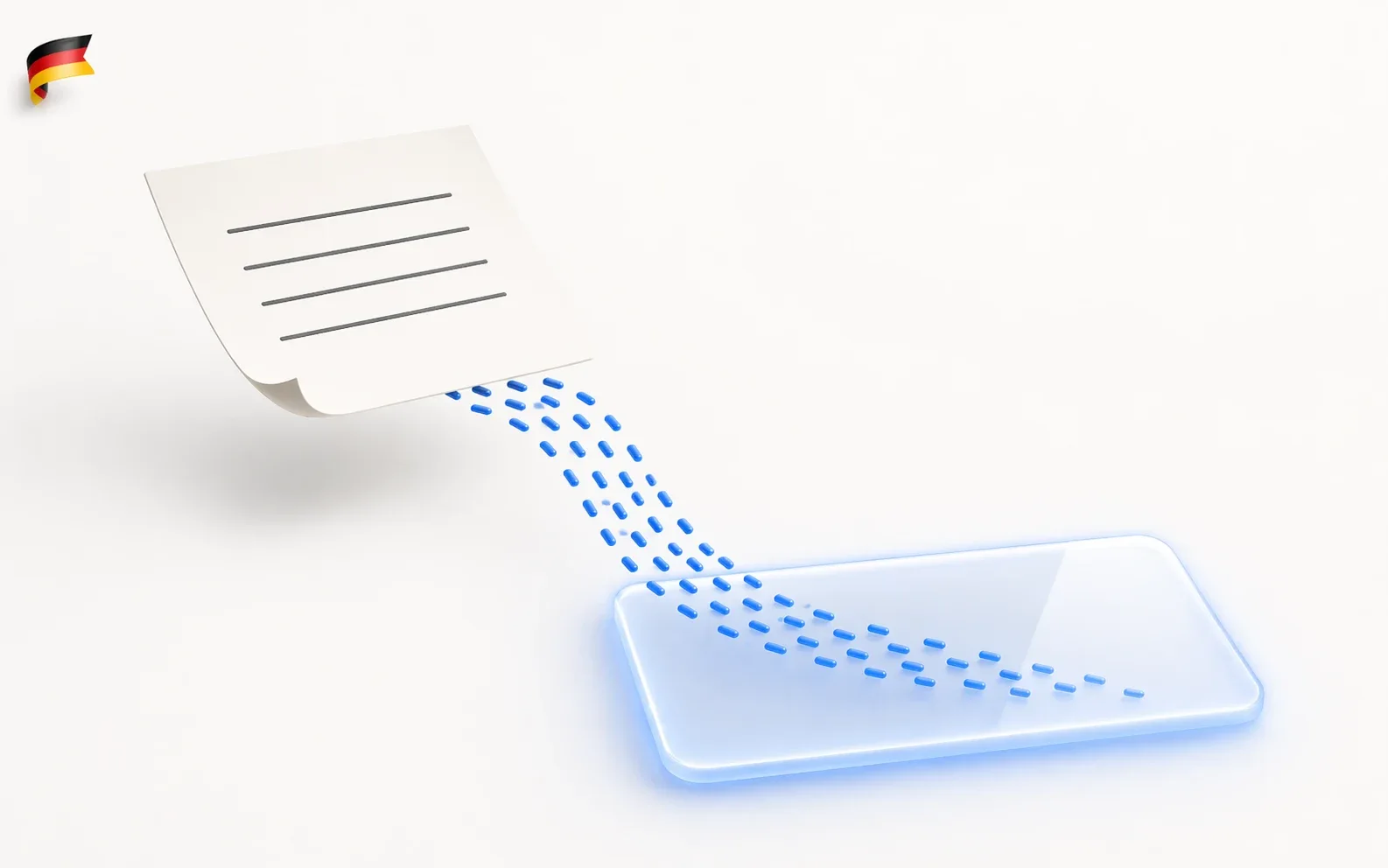
Paste your Arabic text
Type or paste any Arabic-script text into the editor. The full Arabic alphabet, all hamza variants (أ إ آ ؤ ئ ء), tashkeel marks, and Arabic-Indic numerals (٠١٢٣) are handled natively — no transliteration required.
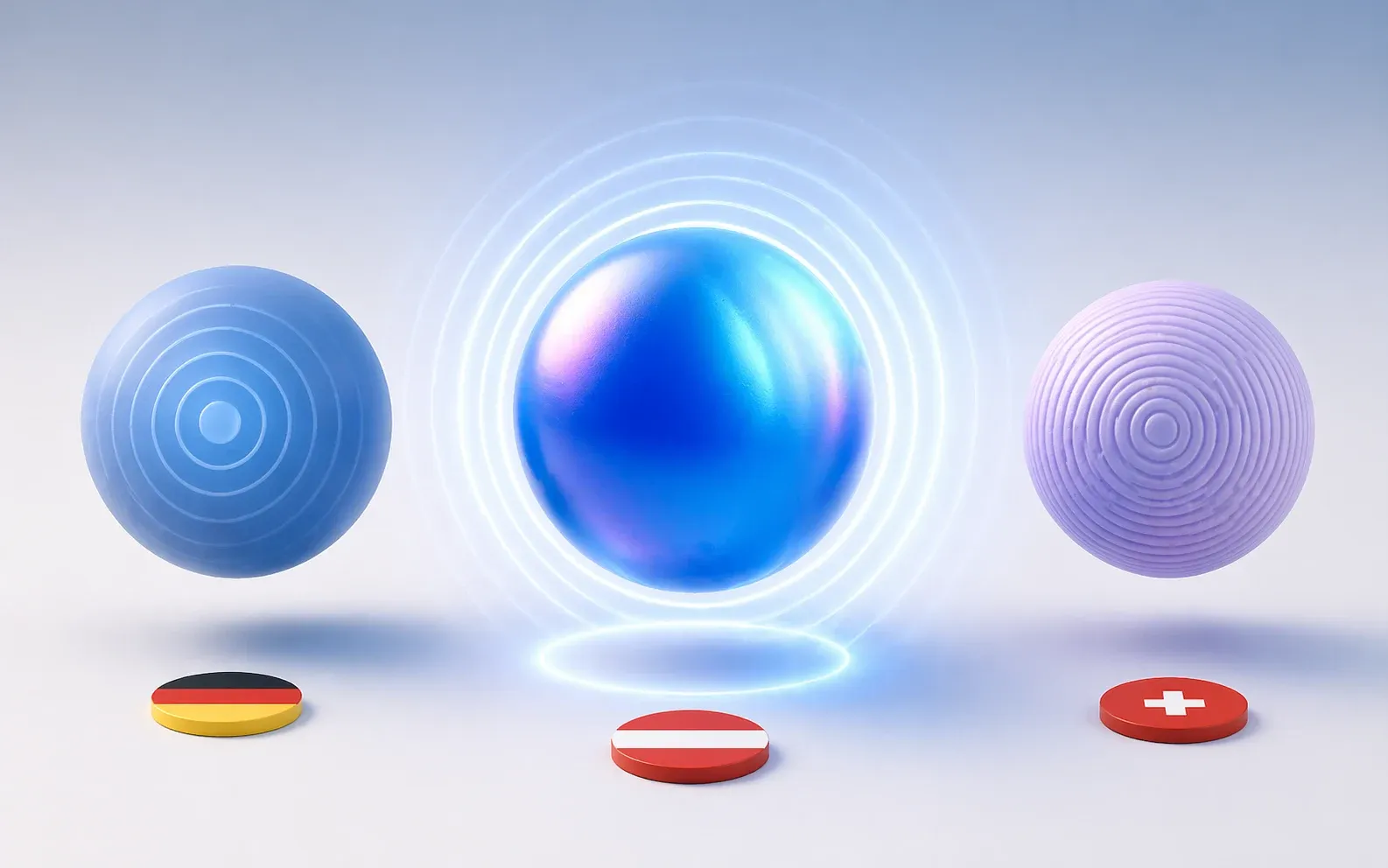
Pick a voice
Choose from 6+ broadcast-grade Modern Standard Arabic voices plus 70+ multilingual voices that can speak Arabic. Pair the voice with the formal MSA register your script needs.
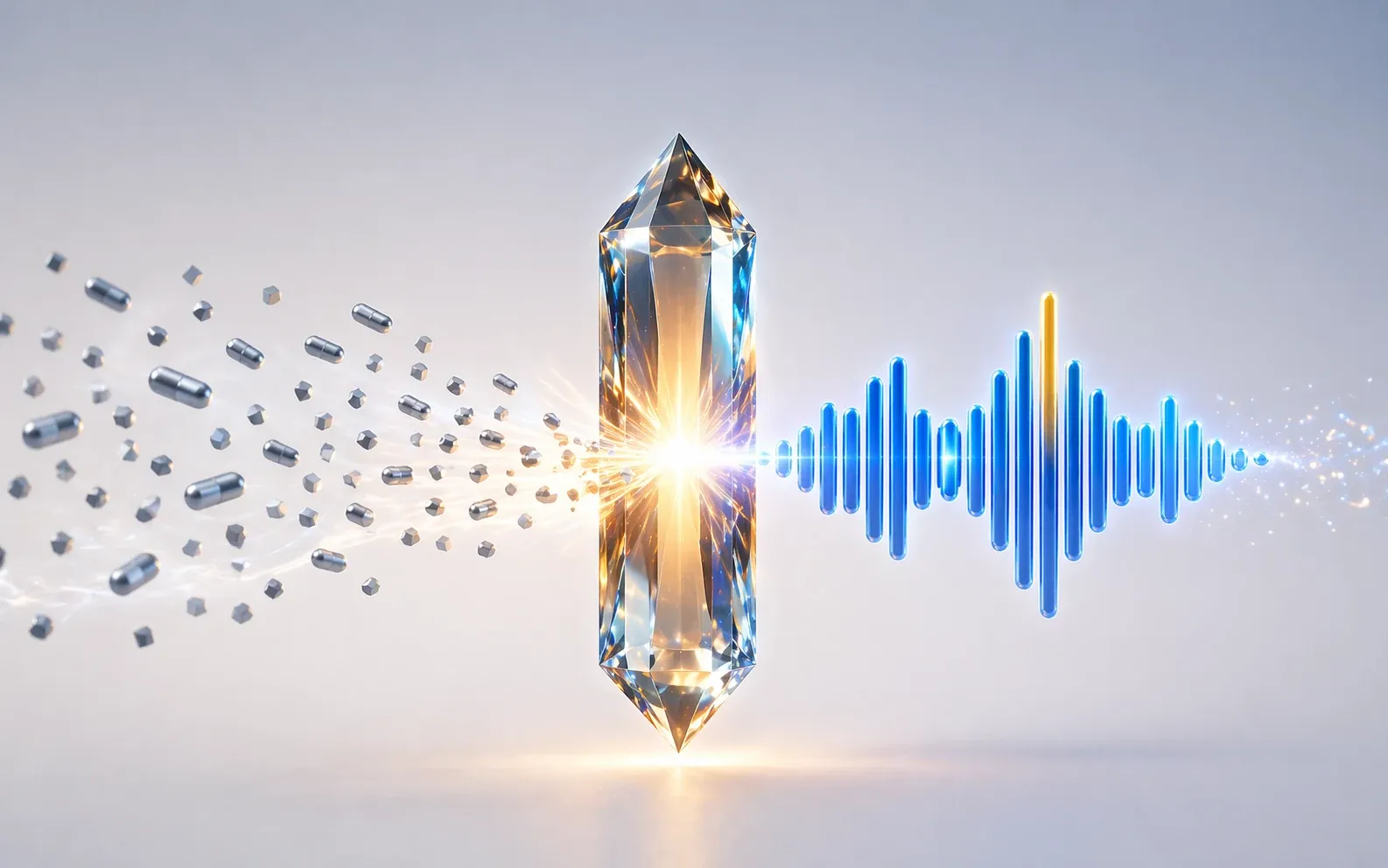
Generate your audio
Click Generate. Studio-quality Arabic speech renders in seconds with correct sun/moon letter assimilation, accurate harakat, and proper bidi handling for any Latin or Indic numerals in the script.

Download MP3 or share
Download the MP3 for news narration, audiobooks, e-learning, podcasts, YouTube, or any commercial project. Full commercial usage included on every paid plan.
Pick the Right Arabic Voice Tier
AnySpeech offers Arabic text to speech across five model tiers. Basic is free forever; the others scale up in voice quality, expression, and credit cost. Use this matrix to pick the best fit for your Arabic project.
Advanced
- Arabic voices
- Multilingual (21)
- Voice quality
- Studio-grade
- Credit multiplier
- 1×
- Best for
- News, podcasts
How AnySpeech Handles Arabic Linguistic Quirks
The bugs that make most Arabic text to speech tools sound non-native are surprisingly consistent: the definite article ال flattened to a hard 'al-' before every word, tashkeel ignored, hamza variants treated as a single character, and bidirectional numerals breaking the layout. AnySpeech catches each of these explicitly so the audio matches what a native speaker would actually say.
Tashkeel & Harakat Inference
Arabic writing routinely omits short-vowel marks (harakat) — yet the same root of three letters can be a verb, a noun, or a passive form depending on the missing vowels. AnySpeech infers harakat from context using a trained dictionary plus surrounding sentence cues so the audio reflects the right meaning.
- كتب— wrote / was written / books / writerOther enginesalways 'kataba' (he wrote)AnySpeechdepends on context (kataba / kutiba / kutub / kaatib)
- علم— knowledge / flag / he taughtOther enginesalways one readingAnySpeechdepends on context (ʿilm / ʿalam / ʿallama)
- بيت— house / verseOther enginesalways 'bayt'AnySpeechbayt vs bīt (in compound words)
Sun Letters vs Moon Letters
The definite article ال attaches to every Arabic noun — but it doesn't read the same way before every consonant. Before sun letters (14 of them) the ل is silent and the next consonant doubles; before moon letters (the other 14) the ل is fully pronounced. Generic engines that read every ال as 'al-' sound non-native from the first sentence.
- الشمس— the sunOther enginesal-shamsAnySpeechash-shams (sun letter ش)
- القمر— the moonOther enginesal-qamarAnySpeechal-qamar (moon letter ق — unchanged)
- الناس— the peopleOther enginesal-naasAnySpeechan-naas (sun letter ن)
Hamza Variants
Arabic has six written hamza forms — أ إ آ ؤ ئ ء — and the choice depends on the surrounding vowels and word position. Generic engines often collapse them all into a single glottal stop and lose the meaning shifts they carry. AnySpeech reads each variant correctly.
- أمر— order / affairOther enginesmerged hamzaAnySpeechʾamr (order / affair)
- إمرة— leadershipOther enginesmerged hamzaAnySpeechʾimra (leadership)
- آلة— machine / instrumentOther enginesala (short)AnySpeechʾāla (long ā after madda hamza)
RTL Layout & Mixed Numerals
Arabic text flows right-to-left, but Arabic-Indic numerals (٠١٢٣) and Latin digits (0123) inside Arabic still read left-to-right within the line. Dates, currency, phone numbers, and code references all become bidi traps for generic engines. AnySpeech reads numbers in the right order regardless of which digit form you used.
- ٢٠٢٦— 2026Other enginesreversedAnySpeechtwo thousand twenty-six
- 12/04/2026— 12 April 2026Other enginesscrambled date orderAnySpeech12 April 2026
- +966 50 123— Saudi phone numberOther enginesreversed phoneAnySpeech+966 50 123 (read in correct order)
What Creators Build with Arabic Text to Speech
Arabic text to speech is no longer just an accessibility tool. The biggest growth comes from the global Arabic-speaking creator economy — news desks, audiobook publishers, EdTech platforms, and YouTube creators reaching the Arabic-speaking world without booking studio time for every episode.
News & Broadcast Narration
Generate broadcast-grade MSA narration for news segments, explainer videos, and current-affairs commentary. Reliable across the entire Arabic-speaking world thanks to MSA's pan-regional intelligibility.
نبدأ نشرتنا اليوم بأهم الأخبار الاقتصادية والسياسية.
Arabic Audiobook Publishing
Self-publish Arabic audiobooks at a fraction of studio cost, with consistent voice across every chapter. Pair Pro-tier MSA voices with literary scripts for the formal register Arabic readers expect.
الفصل الأول. كان يا ما كان، في قديم الزمان…
Arabic E-Learning
Arabic e-learning platforms and MENA EdTech use Arabic text to speech to drill listening comprehension at any speed — with correct sun/moon letter assimilation, accurate tashkeel, and the formal MSA register learners are studying.
استمعوا جيداً إلى الجملة التالية.
YouTube for the Arabic Diaspora
Reach Arabic-speaking audiences worldwide — from Cairo and Riyadh to Paris, Berlin, and Toronto — with voiceover that sounds native. Works for explainer videos, news roundups, and community content.
مرحباً بكم في قناتنا، حلقة اليوم تتناول…
Accessibility for Arabic Sites
Arabic government, education, and healthcare sites use Arabic text to speech to read pages aloud for visually impaired users — supporting Saudi Vision 2030 and UAE digital-government accessibility commitments.
يمكنكم الاستماع إلى هذه الصفحة بصوتٍ عالٍ.
Children's Content
MSA is the default register for Arabic children's media — books, cartoons, and educational content. AnySpeech voices read MSA cleanly, ideal for children's audiobooks and educational videos.
كان هناك أرنب صغير يحب اللعب في الحديقة.
AnySpeech vs Other Arabic TTS Tools
We benchmarked AnySpeech Arabic text to speech against three commonly-recommended alternatives. The columns below cover features that actually matter when you ship Arabic voiceover, not feature-flag noise.
| Feature | AnySpeech | Competitor A | Competitor B | Competitor C |
|---|---|---|---|---|
| MSA / Colloquial register picker | Supported | Not supported | Not supported | Not supported |
| Sun / moon letter assimilation | Supported | Not documented | Not documented | Supported |
| Tashkeel inference on undiacritized text | Supported | Not documented | Not documented | Supported |
| Hamza variants handled | Supported | Not documented | Not supported | Supported |
| RTL + bidi numerals | Supported | Supported | Supported | Supported |
| Free tier | Supported | Supported | Not supported | Not supported |
| Voice cloning (Arabic) | Supported | Supported | Not supported | Supported |
| Commercial use included | Supported | Supported | Supported | Supported |
Bottom line: pick AnySpeech if you need broadcast-grade MSA in a single workbench across 100+ languages, with the linguistic correctness most generic engines miss. Arabic-native platforms remain a fit if you specifically need a wide library of regional dialect voices.
Frequently Asked Questions about Arabic Text to Speech
More AnySpeech Tools
Text to Speech in Other Languages
 Chinese
 Spanish
 Japanese
 Korean
 French
 German
 Portuguese
 Italian
 Russian
 Hindi
Hindi Turkish
 Dutch
Dutch Polish
 Vietnamese
 Thai
ThaiTry Arabic Text to Speech Free
Generate broadcast-grade Modern Standard Arabic voiceover in seconds — with correct sun/moon letter assimilation, tashkeel handling, and RTL support. No credit card required.