
음성 분리 도구
AI로 모든 오디오에서 배경 소음을 즉시 제거하세요.
차이를 들어보세요
AI가 어떻게 배경 소음에서 음성을 분리하는지 확인하세요
[Example]Cafe background noise
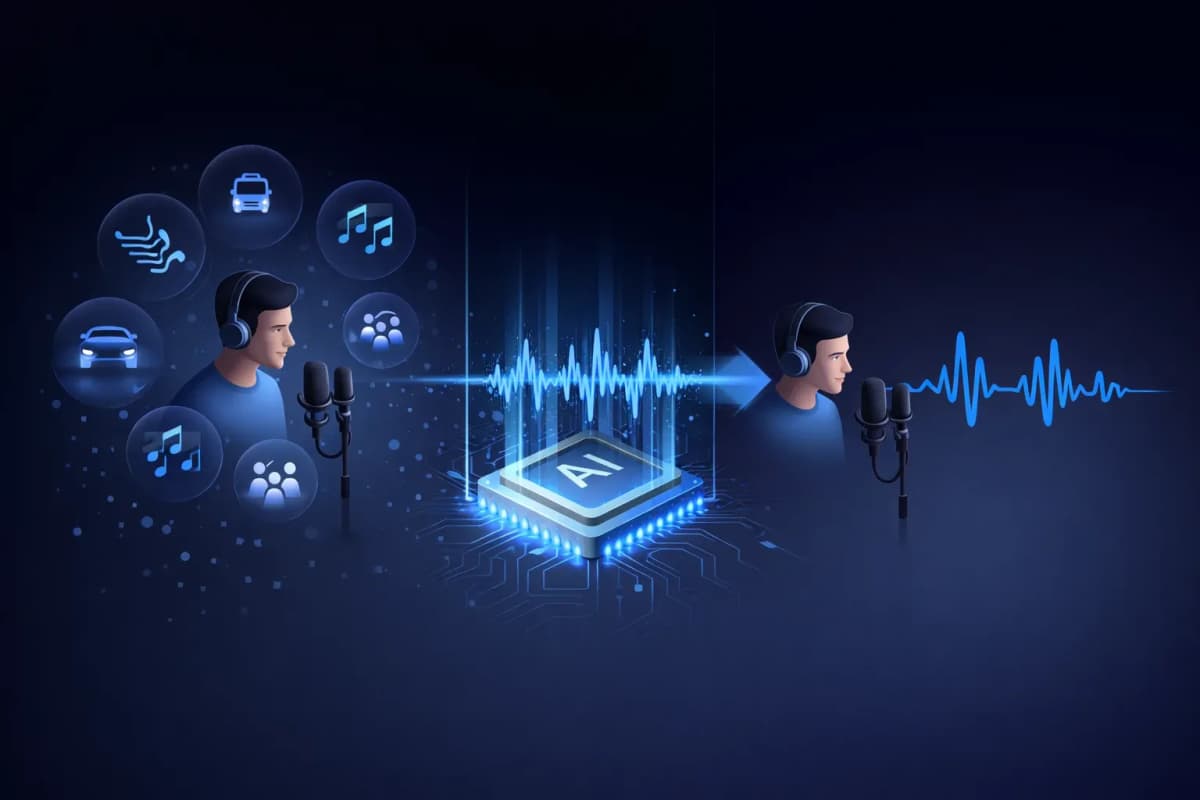
음성 분리 도구란?
음성 분리 도구는 오디오 녹음에서 사람의 음성과 배경 소음을 분리하는 AI 기반 도구입니다. 단순히 볼륨 레벨을 줄이는 기존 노이즈 필터와 달리, 저희 AI 음성 분리 도구는 딥러닝 신경망을 사용하여 음악, 교통 소음, 바람, 주변 소음 등 원치 않는 소리를 제거하면서 음성 패턴을 식별하고 추출합니다. 그 결과 전문 환경에서 녹음된 것처럼 깨끗한 스튜디오 품질의 음성 오디오를 얻을 수 있습니다.
AI 음성 분리 도구의 주요 기능
AI 기반 음성 분리
수백만 개의 오디오 샘플로 훈련된 딥러닝 신경망이 모든 배경 소음에서 음성을 정밀하게 분리합니다.
다중 형식 지원
MP3, WAV, OGG, AAC 또는 FLAC 오디오 파일을 업로드하세요. 모든 주요 오디오 형식을 처리합니다.
초고속 처리
분리된 음성 오디오를 20-40초 만에 받아보세요. 긴 처리 시간을 기다릴 필요가 없습니다.
스튜디오 품질 출력
소음을 제거하면서 자연스러운 음성 특성을 보존합니다. 전문 스튜디오에서 녹음한 것 같은 출력을 제공합니다.
TTS 및 복제와 통합
독특한 워크플로우: 음성을 분리한 후 복제하거나 새로운 음성을 생성하세요. 모두 하나의 플랫폼에서 — AnySpeech에서만 가능합니다.
프라이버시 우선
오디오 파일은 7일 후 자동으로 삭제됩니다. 데이터를 공유하거나 훈련에 사용하지 않습니다.

음성 분리 도구 사용 방법
파일 업로드
드래그 앤 드롭하거나 클릭하여 오디오 파일을 업로드하세요. MP3, WAV, OGG, AAC, FLAC 지원.
AI가 오디오 처리
AI 음성 분리 도구가 오디오를 분석하고 자동으로 음성과 배경 소음을 분리합니다.
미리듣기 및 비교
원본과 분리된 오디오를 나란히 들어보세요. 차이를 즉시 확인할 수 있습니다.
깨끗한 오디오 다운로드
분리된 음성을 고품질 오디오 형식으로 다운로드하세요. 모든 프로젝트에 바로 사용할 수 있습니다.
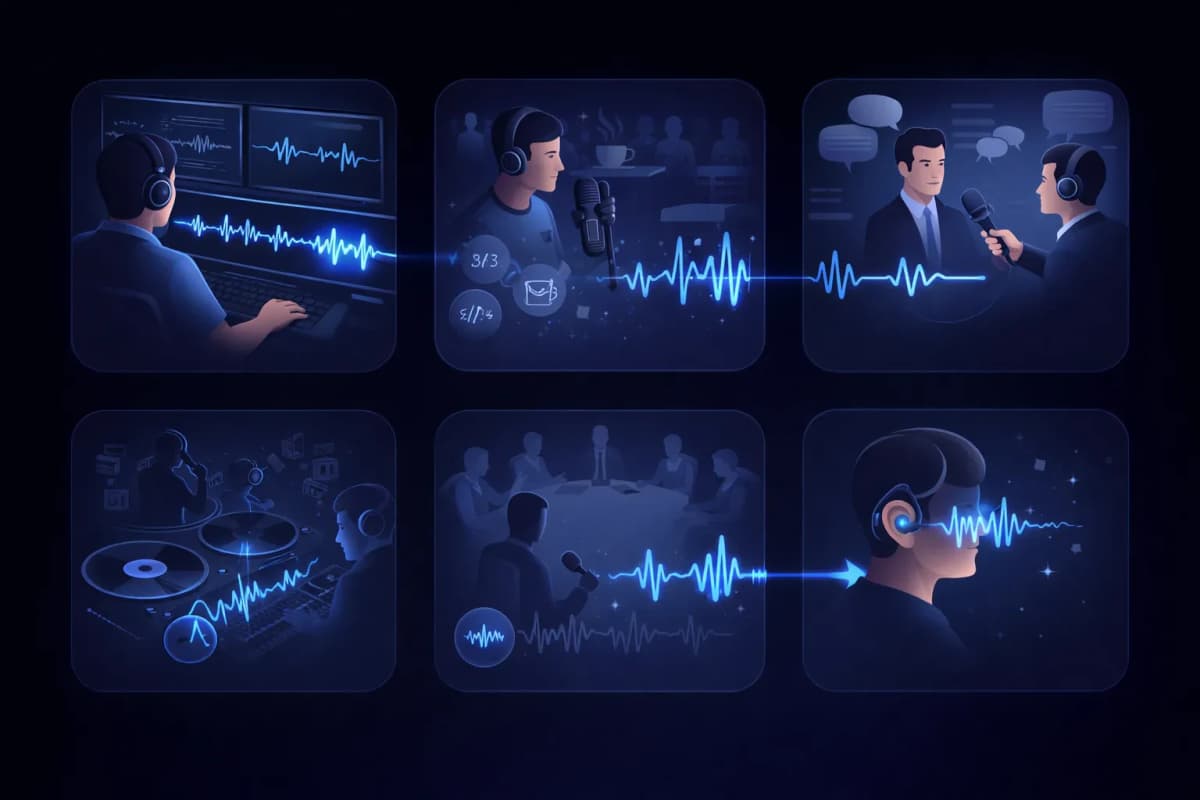
음성 분리 도구 활용 사례
영상 후반 작업
영상 녹화에서 배경 소음을 제거하여 대사 트랙을 정리하세요.
팟캐스트 편집
팟캐스트 녹음에서 카페 소음, 교통 소리 및 기타 원치 않는 오디오를 제거하세요.
인터뷰 전사
더 정확한 음성 인식 결과를 위해 화자 음성을 분리하세요.
보컬 추출
음악 트랙에서 보컬을 추출하여 리믹스, 노래방 또는 아카펠라 버전을 만드세요.
회의 및 강의 녹음
실내 소음에서 화자 음성을 분리하여 회의 녹음을 정리하세요.
접근성
복잡한 오디오 환경에서 음성을 분리하여 청각 장애인을 지원하세요.
AnySpeech 음성 분리 도구를 선택하는 이유
- 스튜디오 품질의 AI 음성 분리
- 모든 주요 오디오 형식 지원
- 텍스트 음성 변환과 통합
- 음성 복제와 통합
- 모든 오디오 요구를 위한 하나의 플랫폼
- 합리적인 크레딧 기반 요금제
HOW IT WORKS
How Does AI Noise Removal Work?
An AI voice isolator separates speech from noise by reading the audio's frequency map: it recognizes the patterns human voices make, keeps them, and rebuilds the track with everything else removed.
Speech and noise leave different fingerprints
On a spectrogram, a human voice draws distinctive shapes — harmonics, formants, the rhythm of syllables. Air-conditioning hum, traffic, and café chatter each look very different. The model has learned both, so it can tell them apart even when they overlap.
Reconstruction, not filtering
Classic noise filters cut whole frequency ranges, which dulls the voice along with the noise. AI isolation instead predicts what the clean voice should sound like and rebuilds it, preserving brightness and detail that filters would destroy.
Why the result sounds studio-recorded
Because the voice is rebuilt rather than carved out, the output keeps natural sibilance and presence without the noise floor. A phone recording from a kitchen can come out sounding like a booth take.

WHICH TOOL?
Voice Isolator vs Vocal Remover: Which Do You Need?
The two tools sound similar but solve opposite problems. The quick rule: spoken recording with unwanted noise — Voice Isolator. A song you want split into parts — Vocal Remover.
Voice Isolator — for spoken recordings
Use it when the voice is the content and everything else is pollution: podcast takes, interviews, lectures, voice memos. You get one clean speech track back.
Vocal Remover — for songs
Use it when you're working with music and want the parts, not a cleanup: it splits a finished song into an acapella and an instrumental, and keeps both.
At a glance
| Question | Voice Isolator | Vocal Remover |
|---|---|---|
| What goes in | Spoken audio with noise | A finished song |
| What comes out | One clean voice track | Vocals + instrumental stems |
| What gets removed | Noise, hum, chatter | Nothing — everything is kept, separated |
| Typical user | Podcasters, students, journalists | Singers, DJs, karaoke fans |
Working with a song instead? Head to the vocal remover.
NOISE GUIDE
Which Noises Clean Up Best?
Not all noise is equally removable. Here's an honest map of what to expect before you upload.
Excellent results
- Air conditioning, fans, and electrical hum
- Computer and microphone hiss
- Rain and steady wind rumble
Steady, predictable noise is the easiest to model — it disappears almost completely.
Good results
- Café chatter and crowd murmur
- Traffic and street ambience
- Keyboard clicks and desk thumps
Intermittent noise usually cleans up well, though a loud burst directly over a word can leave a trace.
Know the limits
- Heavy reverb baked into the room sound
- Another voice speaking over yours
- Clipped or distorted source audio
These overlap with the voice itself, so expect improvement rather than perfection — re-record if you can.
WORKFLOW
Where Isolation Fits in Your Audio Pipeline
Clean speech isn't just nicer to hear — it makes every downstream AI tool measurably better.
Before transcription
A clean track means fewer misheard words. Isolate first, then run speech to text for a tighter transcript.
Before voice cloning
Cloning learns everything in your sample, including the noise. Isolating a recording first gives the clone a cleaner voice print.
Before publishing
Podcast episodes and video voiceovers ship faster when you fix the audio in one pass instead of re-recording.